Dometic provides cooling solutions for RVs‚ offering diverse models like the FreshJet series and traditional rooftop units.
Understanding your specific model‚ such as the 57915.531‚ is crucial for optimal performance and longevity.
Proper installation‚ operation‚ and maintenance—detailed in a user manual—ensure efficient cooling‚ whether utilizing AC or DC powered systems with varying BTU capacities.
Overview of Dometic RV Air Conditioning Systems
Dometic RV air conditioning systems encompass a broad range‚ from powerful 13‚500 BTU rooftop units – like the frequently replaced Dometic model 57915.531 – to the more modern and efficient FreshJet series. These systems are designed to provide reliable cooling in various RV sizes and climates.
A key component is the Air Distribution Box (ADB)‚ such as the Dometic 3317404.000‚ which effectively distributes cooled air throughout the RV. Systems operate on both AC power (110V/115V/230V) and DC power (12V/24V)‚ offering flexibility depending on the RV’s electrical setup.
Understanding the specific features and operation of your chosen system‚ as detailed in the user manual‚ is paramount for maximizing comfort and extending the unit’s lifespan. Proper selection‚ based on RV size and insulation‚ ensures optimal BTU capacity for efficient cooling.
Importance of a User Manual
A Dometic air conditioner user manual is indispensable for ensuring optimal performance and longevity of your RV cooling system. It provides crucial information regarding installation‚ operation‚ and maintenance procedures specific to your model – whether a traditional rooftop unit or a FreshJet series system.
The manual details essential aspects like electrical connection requirements‚ control panel functions‚ and understanding the Air Distribution Box (ADB)‚ such as the 3317404.000. It also outlines proper air filter replacement‚ condenser coil cleaning‚ and troubleshooting common issues like a unit failing to start.
Ignoring the manual can lead to improper operation‚ reduced efficiency‚ and potential damage. Familiarizing yourself with the guidelines ensures safe and effective use‚ maximizing your comfort and minimizing costly repairs.
Understanding Your Dometic Air Conditioner Model
Dometic offers diverse AC units‚ from 7‚000 to 13‚500 BTU‚ powered by AC (110V/230V) or DC (12V/24V) systems.
Identifying your specific model number‚ like 57915.531‚ is vital for accessing the correct user manual and ensuring compatibility.
Identifying Your Specific Model Number (e.g.‚ 57915.531)
Locating your Dometic air conditioner’s model number is the first step towards accessing the correct documentation‚ including the crucial user manual. This number is typically found on a sticker or plate affixed to the unit itself. Common locations include the top‚ side‚ or back panel of the air conditioner.
For rooftop units‚ you may need to access the unit from above. The model number‚ such as 57915.531‚ is a unique identifier that specifies the exact features and specifications of your particular Dometic system. This information is essential when ordering replacement parts‚ seeking technical support‚ or downloading the appropriate user manual from the Dometic website.
Without the correct model number‚ you risk using incorrect information or incompatible parts‚ potentially leading to improper operation or damage to your air conditioning system. Accurate identification ensures a smooth and efficient experience with your Dometic product.
AC vs. DC Powered Units (110V/115V/230V & 12V/24V)
Dometic air conditioners operate on either AC or DC power‚ and understanding the difference is vital for proper installation and use. Traditional RV air conditioners typically run on AC power‚ utilizing voltages like 110V/115V or 230V‚ requiring a shore power connection or generator. However‚ Dometic also offers increasingly popular DC units‚ operating on 12V/24V systems.
DC units are ideal for off-grid applications‚ drawing power directly from the RV’s battery bank. Your user manual will clearly state the required voltage for your specific model. Incorrect voltage application can cause severe damage. Ensure your RV’s electrical system is compatible with the air conditioner’s power requirements before installation and operation.
Consult a qualified electrician if you are unsure about your RV’s electrical system or the compatibility of the air conditioner. Proper power supply is crucial for safe and efficient operation.
BTU Capacity and RV Size (7‚000-13‚500 BTU)
Dometic air conditioners are rated by their BTU (British Thermal Unit) capacity‚ indicating their cooling power. Units range from approximately 7‚000 BTU to 13‚500 BTU‚ and selecting the correct size is crucial for efficient cooling. A unit that’s too small won’t adequately cool the RV‚ while one that’s too large can lead to short cycling and humidity issues.
Generally‚ a rule of thumb is 500 BTU per square foot of living space‚ but this can vary based on RV insulation‚ climate‚ and window size. Your user manual will provide guidance on the recommended BTU capacity for your RV’s size. Consider the number of occupants and heat-generating appliances when determining the appropriate BTU rating.
Proper sizing ensures optimal comfort and energy efficiency. Always refer to the manual for specific recommendations related to your Dometic model.
Installation and Setup
Proper installation‚ detailed in your user manual‚ is vital for Dometic AC performance. This includes secure roof mounting and correct electrical connections‚ ensuring safe operation.
Always follow the manual’s guidelines for a successful setup and to avoid potential issues.
Proper Roof Mounting Considerations
Dometic’s user manual emphasizes careful roof mounting to prevent leaks and ensure unit stability. Before installation‚ thoroughly inspect the RV roof for damage or weaknesses‚ addressing any issues before proceeding.
Ensure the mounting surface is level and structurally sound‚ capable of supporting the AC unit’s weight. Utilize the correct sealant‚ as specified in the manual‚ around the perimeter of the mounting flange to create a watertight seal.
Pay close attention to clearance around the unit‚ avoiding obstructions like vents or antennas. Proper airflow is crucial for efficient cooling. The manual will detail specific torque requirements for mounting screws‚ preventing over-tightening and potential roof damage. Following these guidelines guarantees a secure and long-lasting installation.
Electrical Connection Requirements
Dometic’s user manual details specific electrical connection requirements crucial for safe and efficient operation. Units operate on either AC (110V/115V/230V) or DC (12V/24V) power‚ so verifying your RV’s electrical system compatibility is paramount.
The manual specifies appropriate wire gauge and breaker size to prevent overheating and potential fire hazards. Always disconnect power before making any electrical connections. Grounding the unit correctly is essential for safety‚ as outlined in the instructions.
Improper wiring can damage the AC unit and void the warranty. If unsure about any electrical aspect‚ consult a qualified RV technician. Adhering to these guidelines ensures a secure and reliable power supply for your Dometic air conditioner.
Operating Your Dometic Air Conditioner
Dometic’s user manual guides you through the control panel‚ fan speeds‚ and cooling modes. Understanding the Air Distribution Box (ADB)‚ like model 3317404.000‚ is key for efficient airflow.
Proper operation ensures optimal comfort and extends the life of your unit.
Control Panel Functions and Settings
Dometic air conditioner control panels vary by model‚ but generally offer intuitive operation. The user manual is essential for understanding specific functions. Common settings include power on/off‚ cooling mode selection (auto‚ cool‚ fan only)‚ and temperature adjustment.
Many units feature multiple fan speeds – low‚ medium‚ and high – to customize airflow and noise levels. Digital displays show set temperatures and operating status. Some advanced panels allow for sleep modes‚ timers‚ and remote control operation.
Older models may utilize analog relay-style controls‚ while newer units boast digital interfaces. Familiarize yourself with the panel’s layout and button functions to maximize comfort and efficiency. Refer to your model’s manual for detailed instructions and troubleshooting tips regarding the control panel.
Understanding Air Distribution Boxes (ADB) ⏤ Dometic 3317404.000
The Dometic Air Distribution Box (ADB)‚ specifically model 3317404.000‚ is a critical component of your RV’s ducted air conditioning system. It receives cooled air from the rooftop unit and distributes it throughout the RV via ductwork. The user manual details its function and maintenance.
The ADB houses controls for directing airflow to different zones‚ adjusting fan speed‚ and managing temperature. Inspecting the ADB for blockages or damage is vital for optimal performance. Proper operation ensures even cooling throughout the RV.
Regularly check the ADB’s vents and dampers to confirm they open and close correctly. A malfunctioning ADB can lead to uneven cooling or reduced airflow. Consult your manual for specific troubleshooting steps related to the ADB.
Fan Speeds and Cooling Modes
Your Dometic air conditioner‚ as detailed in the user manual‚ offers multiple fan speeds – typically low‚ medium‚ and high – to customize airflow and noise levels. Lower speeds conserve energy‚ while higher speeds provide quicker cooling. Understanding these settings optimizes comfort.
Cooling modes generally include “Cool‚” “Fan Only‚” and sometimes “Auto.” “Cool” activates both the compressor and fan for maximum cooling. “Fan Only” circulates air without cooling‚ useful for ventilation. “Auto” adjusts cooling based on the set temperature.
The manual explains how to select these modes using the control panel. Experimenting with fan speeds and cooling modes allows you to find the most efficient and comfortable setting for varying weather conditions and personal preferences.
Maintenance and Troubleshooting
Dometic’s user manual stresses regular air filter replacement and condenser coil cleaning for peak performance. Addressing issues like a unit failing to start is also covered.
Following these guidelines ensures efficient operation and extends the lifespan of your RV air conditioning system.
Air Filter Replacement and Cleaning
Dometic air conditioner performance relies heavily on clean air filters. The user manual emphasizes regular inspection – ideally before each trip and monthly during heavy use. A clogged filter restricts airflow‚ reducing cooling efficiency and potentially damaging the unit.
Replacement filters are readily available and relatively inexpensive. The manual provides specific filter size information for each model. Cleaning reusable filters involves gently washing them with mild soap and water‚ ensuring they are completely dry before reinstalling.
Ignoring filter maintenance leads to reduced cooling capacity‚ increased energy consumption‚ and potential compressor failure. Consistent filter care is a simple yet vital step in preserving your Dometic air conditioner’s functionality and extending its service life‚ ultimately ensuring comfortable travels.
Cleaning the Condenser Coils
The Dometic air conditioner user manual highlights the importance of keeping condenser coils clean for optimal cooling. Over time‚ dust‚ debris‚ and even insect nests can accumulate‚ hindering heat dissipation and reducing efficiency. This buildup forces the unit to work harder‚ increasing energy consumption and potentially leading to overheating.
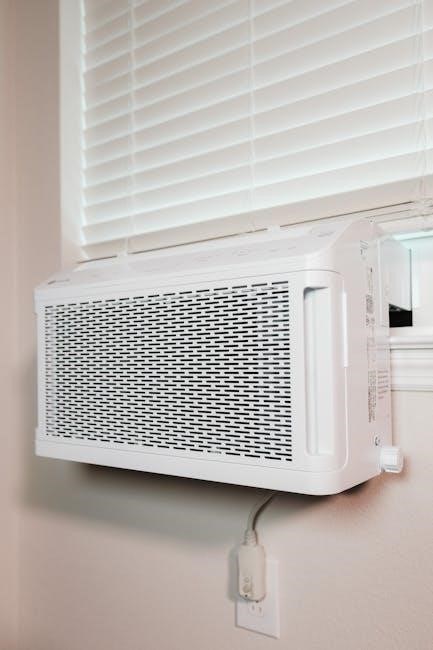
Cleaning should be performed at least annually‚ or more frequently in dusty environments. Turn off power to the unit before beginning. Use a soft brush or a fin comb to gently remove debris‚ avoiding damage to the delicate fins. A gentle spray of coil cleaner (specifically designed for AC units) can further enhance cleaning.
Regular condenser coil maintenance ensures efficient operation‚ prolongs the lifespan of your Dometic AC‚ and maintains consistent cooling performance during your travels. Always consult the manual for model-specific cleaning instructions.
Common Issues and Solutions (e.g.‚ Unit Not Starting)
The Dometic air conditioner user manual often addresses frequent issues. A common problem is the unit failing to start. First‚ verify power supply – check breakers and ensure proper voltage (110V/115V/230V or 12V/24V). Inspect the thermostat settings; it might be set incorrectly or in ‘off’ mode.
Another issue is insufficient airflow‚ often caused by a clogged air filter (replace regularly!). A frozen evaporator coil can also prevent operation; turn off the unit and allow it to thaw. If the problem persists‚ the capacitor might be faulty‚ requiring professional attention.
Consult the manual’s troubleshooting section for specific error codes and solutions. Remember‚ attempting repairs beyond your expertise can void the warranty and potentially cause further damage.

Dometic FreshJet Series
Dometic’s FreshJet line—including FJZ7 3500‚ 3000‚ 2600‚ and 2200 models—offers efficient‚ quiet cooling. The user manual details specific features and operation for each unit.
These models prioritize lightweight design and optimized airflow‚ enhancing comfort within your RV.
FreshJet FJZ7 3500 Model Overview
The Dometic FreshJet FJZ7 3500 represents a premium cooling solution for larger RVs‚ prioritizing both performance and quiet operation. A comprehensive user manual is essential for unlocking its full potential. It details the advanced features‚ including multi-zone cooling capabilities and precise temperature control.
Understanding the control panel functions‚ as outlined in the manual‚ allows for customized comfort settings. The manual also provides guidance on proper installation‚ ensuring optimal airflow and efficiency. It covers aspects like roof mounting considerations and electrical connection requirements.
Furthermore‚ the user manual emphasizes routine maintenance‚ such as filter replacement and condenser coil cleaning‚ to prolong the unit’s lifespan. Troubleshooting sections address common issues‚ empowering owners to resolve minor problems independently. Proper adherence to the manual’s instructions guarantees reliable and efficient cooling for years to come.
FreshJet FJZ7 3000 Model Overview
The Dometic FreshJet FJZ7 3000 is a high-performance air conditioning unit designed for medium to large RVs‚ offering a balance of cooling power and energy efficiency. A detailed user manual is paramount for maximizing its benefits. It provides step-by-step instructions for installation‚ operation‚ and maintenance‚ ensuring optimal performance.

The manual thoroughly explains the control panel’s functionalities‚ allowing users to adjust settings for personalized comfort. It also covers essential maintenance tasks‚ like air filter replacement‚ to maintain cooling efficiency. Troubleshooting guides within the manual assist in diagnosing and resolving common issues.
Understanding the user manual’s guidance on proper airflow and electrical connections is crucial for safe and effective operation. The FreshJet FJZ7 3000’s advanced features are fully explained‚ enabling owners to enjoy consistent and reliable cooling throughout their travels.
FreshJet FJZ7 2600 Model Overview
The Dometic FreshJet FJZ7 2600 is engineered for smaller RVs‚ delivering efficient cooling in a compact design. A comprehensive user manual is essential for unlocking its full potential‚ detailing everything from initial setup to advanced operation. It emphasizes the importance of correct installation procedures for optimal performance and longevity.
The manual provides clear instructions on navigating the control panel‚ adjusting fan speeds‚ and selecting cooling modes. It also outlines a routine maintenance schedule‚ including air filter cleaning and condenser coil inspection‚ to ensure consistent cooling output. Troubleshooting sections address common issues‚ empowering users to resolve problems independently.
Properly utilizing the user manual’s guidance on electrical connections and airflow optimization is vital for safe and efficient operation of the FreshJet FJZ7 2600‚ guaranteeing comfortable travels.
FreshJet FJZ7 2200 Model Overview
The Dometic FreshJet FJZ7 2200 is a lightweight and energy-efficient air conditioning solution‚ ideal for compact RVs and vans. A detailed user manual is paramount for maximizing its benefits‚ covering installation‚ operation‚ and maintenance procedures. It stresses the significance of adhering to safety guidelines during setup and electrical connections.
The manual thoroughly explains the control panel’s functions‚ allowing users to customize cooling settings and fan speeds. It also provides step-by-step instructions for routine maintenance tasks‚ such as air filter replacement and condenser coil cleaning‚ ensuring peak performance. A dedicated troubleshooting section assists in diagnosing and resolving common operational issues.
Following the user manual’s recommendations guarantees efficient‚ reliable cooling from the FreshJet FJZ7 2200‚ enhancing comfort during your RV adventures.

Advanced Features & Components
Dometic’s DPSI Series sine inverters offer reliable power‚ while the user manual details proper integration with air conditioning systems for optimal performance.
Understanding these components‚ as outlined in the manual‚ ensures efficient operation and maximizes cooling capabilities.
DPSI Series Sine Inverters
Dometic’s DPSI Series sine inverters represent a significant advancement in power conversion technology for RV applications‚ particularly when paired with their air conditioning systems. These inverters consolidate the expertise of three established quality brands‚ delivering a robust and reliable power source.
The user manual emphasizes the importance of correct installation and configuration of the DPSI inverter to ensure compatibility with your specific Dometic air conditioner model. It details the necessary wiring specifications‚ safety precautions‚ and troubleshooting steps.
A key benefit of the DPSI series is its compact design‚ allowing for flexible mounting options within the RV. The manual provides guidance on optimal placement to maximize efficiency and minimize interference. Understanding the inverter’s features‚ as described in the manual‚ is crucial for harnessing its full potential and maintaining a stable power supply for your cooling system.