Nanakshahi Calendar 2024 PDF Download: A Comprehensive Guide
Finding a reliable 2024 Nanakshahi Calendar PDF can be challenging due to ongoing discrepancies.
Several sources offer versions,
but verifying authenticity is crucial,
especially considering the 2003 calendar versus amended versions.
The Nanakshahi Calendar represents a significant attempt to create a Sikh calendar based on the birth date of Guru Nanak Dev Ji, the founder of Sikhism. Unlike traditional lunisolar calendars, it’s a solar calendar, aligning more closely with the Gregorian calendar for fixed dates of historical Sikh events. This introduction delves into its core principles and the reasons for its adoption, acknowledging the complexities surrounding its implementation.
Initially designed to standardize the observance of Gurpurabs – the anniversaries of Sikh Gurus and significant events – the calendar aimed to eliminate discrepancies arising from differing interpretations of lunar cycles. However, the story isn’t without contention. Amendments introduced by the Shiromani Gurdwara Parbandhak Committee (SGPC) have led to divisions within the Sikh community, with some continuing to follow the original 2003 Nanakshahi Calendar.
Understanding this background is vital when seeking a 2024 Nanakshahi Calendar PDF, as different versions circulate. The debate centers on the accurate dating of Gurpurabs, impacting religious observances and event coordination. This guide will navigate these nuances, providing resources and insights into the calendar’s history and current state.
What is the Nanakshahi Calendar?
The Nanakshahi Calendar is a solar calendar adopted by the Shiromani Gurdwara Parbandhak Committee (SGPC) to standardize dates for Sikh religious observances. It’s fundamentally different from the traditional lunisolar calendars previously used, which often resulted in varying dates for Gurpurabs across different regions and communities. The calendar’s foundation is based on the birth date of Guru Nanak Dev Ji, calculated using astronomical data.
Key to its structure is the fixed relationship to the Gregorian calendar, making it easier to correlate Sikh dates with international timelines. Each month corresponds to a Gregorian month, simplifying planning and coordination. However, this shift wasn’t without controversy, as amendments to the original 2003 version have created divisions within the Sikh diaspora.
Currently, finding a definitive 2024 Nanakshahi Calendar PDF requires awareness of these differing versions. Some organizations continue to adhere to the original calendar, while the SGPC promotes the amended one. Understanding this distinction is crucial for accurate observance of religious events.
Historical Background of the Calendar
Prior to 2003, Sikh communities relied on the traditional Bikrami calendar, a lunisolar system, to determine dates for Gurpurabs and other religious events. This system, while historically significant, led to inconsistencies in observance globally, causing confusion and logistical challenges. The need for a standardized calendar became increasingly apparent as the Sikh diaspora expanded.
The push for a new calendar gained momentum in the late 20th century, culminating in the adoption of the Nanakshahi Calendar by the SGPC in 2003. This marked a significant shift towards a solar-based system, aligning Sikh dates with the Gregorian calendar for greater clarity. However, the initial implementation wasn’t universally accepted.
The availability of a 2024 Nanakshahi Calendar PDF is directly linked to this historical context. The subsequent amendments by the SGPC have resulted in multiple versions circulating, reflecting the ongoing debate surrounding its accuracy and adherence to original principles.
The Creation and Purpose
The Nanakshahi Calendar was meticulously created by a panel of Sikh scholars, spearheaded by the SGPC, with the primary goal of establishing a scientifically accurate and universally accepted system for calculating Sikh religious dates. It aimed to eliminate the discrepancies inherent in the Bikrami calendar, fostering unity amongst the global Sikh community.
Its purpose extended beyond mere date calculation; it sought to honor Guru Nanak Dev Ji’s teachings by aligning Sikh observances with solar events, reflecting a more natural and consistent rhythm. The calendar’s structure was designed to ensure that Gurpurabs fall on the same Gregorian dates each year, simplifying planning and coordination.
The 2024 Nanakshahi Calendar PDF, therefore, represents this intention – a tool for consistent observance. However, the subsequent amendments have complicated its intended purpose, leading to differing interpretations and celebrations, highlighting the ongoing debate surrounding its implementation.
Key Features of the Nanakshahi Calendar
The Nanakshahi Calendar distinguishes itself through its solar-based structure, aligning with astronomical events rather than lunar cycles. This ensures fixed Gregorian dates for Gurpurabs, a significant departure from previous systems. A key feature is its 365-day year, with an extra day added in leap years, mirroring the Gregorian calendar’s structure for ease of synchronization.
Furthermore, the calendar incorporates specific calculations for determining the dates of historical Sikh events, aiming for greater accuracy. The 2024 Nanakshahi Calendar PDF reflects these features, providing a clear layout of months, dates, and significant religious observances. However, the amended versions introduce variations, impacting the consistency of these key features.
Despite the controversy, the calendar’s initial intent was to create a standardized, scientifically grounded system for the Sikh community, simplifying religious planning and fostering unity through consistent observance.

Understanding the Calendar Structure
The Nanakshahi Calendar’s structure links to the Gregorian calendar, but uses solar calculations.
Understanding this relationship is vital when reviewing the 2024 PDF versions.
Relationship to the Gregorian Calendar
The Nanakshahi Calendar isn’t entirely independent; it maintains a defined relationship with the widely used Gregorian calendar. This connection is crucial for coordinating dates with the broader world, especially for those observing both Sikh religious events and secular schedules. However, it’s not a simple one-to-one correspondence.

Unlike the Gregorian calendar, which is lunisolar, the Nanakshahi Calendar is primarily solar. This means its months are aligned with the Earth’s orbit around the sun, resulting in fixed dates for historical Sikh events. This is where discrepancies can arise when comparing it to the Gregorian calendar, and why accessing a correct 2024 PDF is important.
The calendar was designed to ensure Gurpurabs (Sikh holy days) fall in their historically accurate seasons. This often means the dates will differ from those calculated using a lunisolar system. Understanding this fundamental difference is key to interpreting the 2024 Nanakshahi Calendar PDF and avoiding confusion regarding observance dates.
Months and Dates in the Nanakshahi Calendar
The Nanakshahi Calendar features twelve months, each with a fixed number of days, unlike the variable lengths found in some lunar calendars. These months are based on the solar system, ensuring consistency in seasonal alignment for Sikh historical events. A 2024 PDF version will clearly display these months: Chet, Vaisakh, Jeth, Harh, Sawan, Bhadon, Assu, Katak, Maghar, Poh, Magh, and Phagun.
Dates within each month follow a straightforward numerical progression. However, understanding the calendar’s starting point – 1469 Nanakshahi – is vital for accurate date conversion. The 2024 Nanakshahi Calendar PDF will provide the corresponding Gregorian dates for easy reference.
It’s important to note that the calendar’s structure aims to standardize Gurpurab dates, but variations exist due to ongoing debates surrounding amendments. Therefore, consulting a reliable 2024 PDF from a trusted source is crucial for correct observance.
The Significance of Gurpurabs

Gurpurabs, the anniversaries of the Sikh Gurus, hold immense spiritual significance for the Sikh community. The Nanakshahi Calendar was specifically designed to standardize the dates of these sacred observances, ensuring unified remembrance. A 2024 PDF calendar will meticulously list these dates, allowing devotees to plan participation in prayers, kirtan, and langar.
However, the ongoing controversy surrounding calendar amendments has led to differing Gurpurab dates observed by various Sikh organizations; Therefore, a 2024 Nanakshahi Calendar PDF’s accuracy is paramount. It’s crucial to identify which version – the original 2003 calendar or an amended one – the PDF reflects.
Understanding the specific Gurpurab being commemorated and its historical context enhances the devotional experience. A detailed 2024 PDF may include brief descriptions alongside each date, enriching the observer’s understanding.
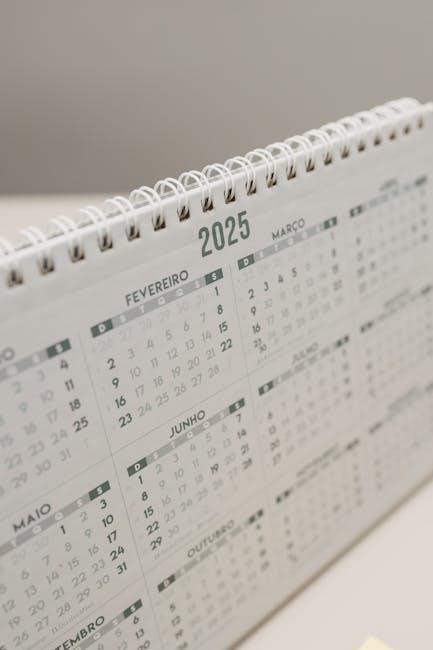
The 2024 Nanakshahi Calendar & PDF Availability
Numerous online platforms offer the 2024 Nanakshahi Calendar in PDF format, but verifying the source and calendar version is essential for accurate dates.
Where to Download the 2024 Nanakshahi Calendar PDF
Locating a downloadable PDF of the 2024 Nanakshahi Calendar requires careful navigation, as various organizations and websites provide differing versions. SikhNet, a prominent online resource for Sikhism, frequently hosts calendar PDFs, though users should confirm the specific version—whether it aligns with the original 2003 calendar or subsequent amendments by the Shiromani Gurdwara Parbandhak Committee (SGPC).
Additionally, several individual Sikh organizations and Gurdwaras often publish their own calendars, available for download on their respective websites. A thorough online search using keywords like “Nanakshahi Calendar 2024 PDF download” will yield numerous results. However, it’s vital to exercise caution and prioritize sources known for their reliability and adherence to established Sikh principles. Be aware that discrepancies exist, and the chosen calendar should reflect your community’s preferred observance of Gurpurabs and other significant dates.
Remember to always double-check the calendar’s validity before relying on it for religious observances.
Reliable Sources for the PDF
Identifying trustworthy sources for the 2024 Nanakshahi Calendar PDF is paramount, given the existing controversies. SikhNet consistently ranks as a reputable platform, offering a wealth of Sikh-related information, including calendar resources. However, verifying the calendar’s version – original 2003 or SGPC-amended – is crucial before use.
Furthermore, official websites of prominent Gurdwaras and Sikh organizations often provide downloadable calendars aligned with their specific observances. The websites of Takhts (authoritative Sikh institutions) may also offer reliable versions. When sourcing from lesser-known websites, cross-reference the dates with established calendars from SikhNet or recognized Gurdwaras.
Prioritize sources that clearly state their adherence to either the original Nanakshahi Calendar or the amended version, allowing users to make informed decisions based on their community’s practices. Always be cautious of unofficial or unverified sources circulating on social media or less reputable websites.
Checking PDF Authenticity
Given the Nanakshahi Calendar’s contentious history, verifying PDF authenticity is vital. First, examine the source’s credibility – is it a recognized Sikh institution like SikhNet or a reputable Gurdwara? Scrutinize the document itself for official logos, watermarks, or contact information linking it to a verifiable organization.
Crucially, compare key dates, particularly Gurpurabs, with known dates from multiple reliable sources. Discrepancies indicate a potentially altered or inaccurate calendar. Pay attention to the calendar’s stated version – does it adhere to the original 2003 Nanakshahi Calendar or the SGPC’s amended version?
Beware of PDFs lacking clear provenance or displaying inconsistencies. If uncertainty persists, consult with knowledgeable members of your local Sikh community or religious leaders to confirm the calendar’s validity before relying on it for religious observances. Prioritize caution and verification.
The Controversy Surrounding the Nanakshahi Calendar
Disagreements between the SGPC and other Sikh bodies regarding Gurpurab dates fuel ongoing calendar debates.
The 2003 version and amendments
create conflicting observances,
causing significant community division.
The SGPC and Calendar Amendments
The Shiromani Gurdwara Parbandhak Committee (SGPC), the primary governing body of Sikh gurdwaras, has been central to the Nanakshahi Calendar controversy. Initially, the SGPC adopted the 2003 Nanakshahi Calendar, designed to align with historical Sikh principles and astronomical calculations. However, subsequent amendments were introduced, primarily concerning the dates of significant Gurpurabs – the anniversaries of Sikh Gurus.
These amendments aimed to reconcile the Nanakshahi Calendar with the traditional Bikrami calendar, often used for social and cultural events. Critics argue that these changes were made without sufficient consultation with the broader Sikh community and scholarly consensus. The amended versions, as highlighted in reports from SikhNet, led to differing observance dates for key events, like the installation of the Guru Granth Sahib, with some organizations adhering to the original 2003 calendar.
This divergence in dates has created confusion and friction within the Sikh diaspora, impacting coordinated religious observances and fostering debate about the correct interpretation of Sikh history and tradition. The SGPC’s actions continue to be a focal point of discussion and disagreement within the Sikh world.
Disagreements Regarding Gurpurab Dates
A core issue fueling the Nanakshahi Calendar controversy revolves around conflicting dates for Gurpurabs. The SGPC’s amended calendar often presents different dates compared to those observed by numerous Sikh religious and educational bodies, as noted by SikhNet reports. This discrepancy stems from differing interpretations of historical astronomical data and the application of calendar corrections.
Specifically, the debate centers on whether to prioritize strict adherence to the original Nanakshahi Calendar’s calculations, designed for accurate historical alignment, or to accommodate traditional practices linked to the Bikrami calendar. The disagreement isn’t merely academic; it directly impacts when and how Sikhs worldwide commemorate pivotal moments in their faith’s history.
Consequently, some Gurpurabs are now celebrated on different days depending on the calendar followed, leading to fragmented observances and challenges in coordinating global Sikh events. This division underscores the sensitive nature of calendar reform and the importance of community consensus in matters of religious practice.
The 2003 Nanakshahi Calendar vs. Amended Versions
The original Nanakshahi Calendar, adopted in 2003, aimed to establish a scientifically accurate and historically consistent system for calculating Sikh religious dates. However, the Shiromani Gurdwara Parbandhak Committee (SGPC) later introduced amendments, sparking significant controversy within the Sikh community, as highlighted by SikhNet discussions.
These amendments primarily focused on aligning certain Gurpurab dates with traditional practices and the Bikrami calendar, a move criticized by those who advocated for maintaining the scientific rigor of the 2003 version. Critics argue the changes compromised the calendar’s original intent and introduced inconsistencies.
The core difference lies in the methodology used for date calculation. The 2003 calendar relied heavily on astronomical calculations, while amended versions incorporate adjustments based on historical precedent and perceived community needs. This divergence has resulted in two distinct calendars coexisting, causing confusion and division.

Impact of the Controversy on Sikh Communities
The calendar dispute causes differing Gurpurab observances and complicates coordinating religious events.
Sikh organizations grapple with choosing which calendar to follow,
creating community fragmentation.
Different Observances of Gurpurabs
The core of the controversy manifests in the varied dates for observing significant Gurpurabs. As highlighted by SikhNet discussions from 2017, the Shiromani Gurdwara Parbandhak Committee (SGPC) often celebrates these holy days according to an amended Nanakshahi Calendar (NC). However, numerous other Sikh religious and educational institutions continue to adhere to the original NC adopted in 2003.
This divergence leads to situations where a major Gurpurab, like the installation of the Guru Granth Sahib, is commemorated on different days – sometimes a week apart. This creates confusion and challenges for Sikhs globally, particularly those seeking to participate in collective worship or coordinate events with family and friends. The differing observances stem from disagreements over the astronomical calculations and historical interpretations used in the calendar’s creation and subsequent amendments.
Consequently, individuals and communities must actively seek information to determine which date their preferred organizations or local Gurdwaras are following, adding a layer of complexity to religious practice.
Challenges in Coordinating Religious Events
The split in Gurpurab observance, stemming from the Nanakshahi Calendar dispute, presents significant logistical hurdles for coordinating Sikh religious events. SikhNet’s reporting from 2017 illustrates how this impacts planning. Organizing large-scale gatherings, kirtans, or langars requires meticulous synchronization, which becomes incredibly difficult when different groups observe key dates on separate days.
International Sikh organizations face amplified challenges, needing to reconcile schedules across multiple time zones and varying calendar adherence. This can lead to fragmented participation and diminished collective spiritual impact. Even within a single city, multiple Gurdwaras might celebrate a Gurpurab on different dates, dividing the community.
Furthermore, coordinating educational programs, seminars, or historical discussions related to a specific Gurpurab becomes problematic when the date itself is contested. This necessitates clear communication and a willingness to acknowledge the differing perspectives within the Sikh community.
The Role of Sikh Organizations
Sikh organizations play a pivotal role in navigating the Nanakshahi Calendar controversy and mitigating its impact on community cohesion. Bodies like the Shiromani Gurdwara Parbandhak Committee (SGPC) have been central to the debate, enacting amendments to the original 2003 calendar, as highlighted by SikhNet reports from 2017. However, other religious and educational institutions continue to adhere to the original version.
These organizations are tasked with fostering dialogue, promoting understanding, and seeking common ground. Some attempt to bridge the divide by acknowledging both calendar systems and encouraging respectful observance. Others focus on educating the community about the historical context and rationale behind the differing viewpoints.
Ultimately, their responsibility lies in preserving the unity of the Sikh panth while respecting individual conscience and promoting informed decision-making regarding religious observances. A unified approach remains a crucial, yet elusive, goal.

Using the Nanakshahi Calendar for Religious Observances
Carefully consult a 2024 Nanakshahi Calendar PDF to identify Gurpurab dates,
considering potential discrepancies
and organizational preferences for accurate planning.
Identifying Important Dates
Utilizing a Nanakshahi Calendar PDF for 2024 requires awareness of the existing controversies surrounding Gurpurab dates. The Shiromani Gurdwara Parbandhak Committee (SGPC) often observes dates based on amended versions, differing from those following the original 2003 Nanakshahi Calendar. Therefore, pinpointing significant dates necessitates consulting multiple sources and understanding which calendar a particular organization or community adheres to.
Key dates, such as the birth anniversaries of the Gurus and other historically important events, are meticulously listed within the calendar. However, discrepancies can lead to variations in observance. When planning religious events, it’s vital to ascertain whether the celebration will follow the SGPC’s amended calendar or the 2003 version, ensuring alignment with the intended community’s practices.
Downloading a PDF allows for offline reference and careful date cross-checking.
Furthermore, SikhNet’s question and answer forum highlights the ongoing debate, emphasizing the need for informed decision-making when identifying and commemorating these sacred dates.
Planning for Gurpurabs and Other Events
Effective planning for Gurpurabs and other significant Sikh events in 2024 demands careful consideration of the Nanakshahi Calendar’s complexities. Given the disagreements between the SGPC’s amended calendar and the original 2003 version, coordinating events requires clarity on which calendar is being followed by participating communities and organizations.
A downloaded Nanakshahi Calendar PDF serves as a central reference point, but it’s crucial to verify the calendar’s source and alignment with the desired observance standard. Event organizers should proactively communicate the chosen calendar to attendees, minimizing confusion and ensuring unified participation. SikhNet discussions underscore the importance of addressing these calendar discrepancies openly.
Detailed planning should encompass logistical aspects, such as venue booking, langar arrangements, and kirtan schedules, all synchronized with the confirmed dates. Recognizing potential variations in observance allows for inclusive planning, accommodating diverse perspectives within the Sikh community.
Resources for Calendar Interpretation
Navigating the Nanakshahi Calendar, particularly with the existing controversies, necessitates utilizing reliable interpretive resources. SikhNet serves as a valuable platform, hosting forums where questions about calendar discrepancies – like Gurpurab dates – are actively discussed and answered by knowledgeable community members. These forums offer insights into the historical context and rationale behind different calendar versions.
Additionally, consulting with local Gurdwaras and respected Sikh scholars can provide clarity. Understanding the SGPC’s amendments and the reasoning behind them is crucial, as is recognizing the continued adherence to the 2003 Nanakshahi Calendar by various organizations. A downloaded PDF, while useful, shouldn’t be the sole source of information.

Cross-referencing dates with multiple sources and seeking guidance from experienced individuals will ensure accurate interpretation and informed decision-making when planning religious observances throughout 2024.